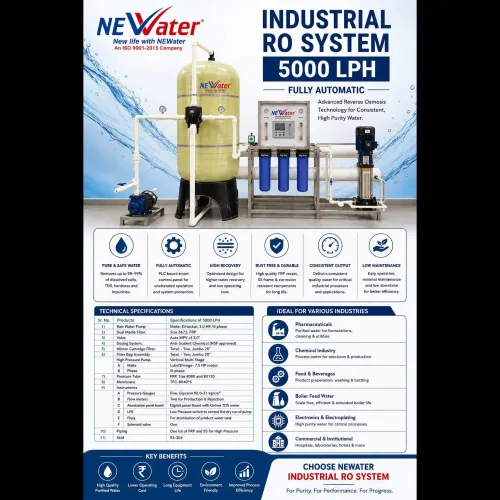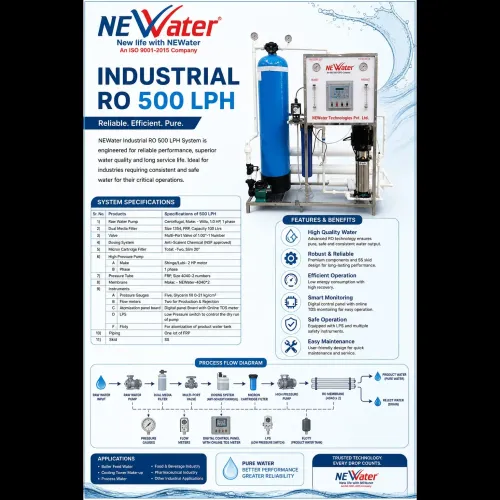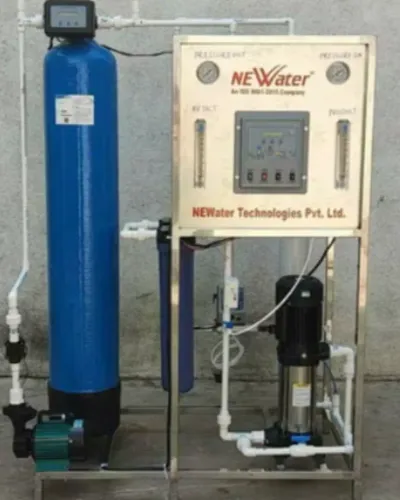
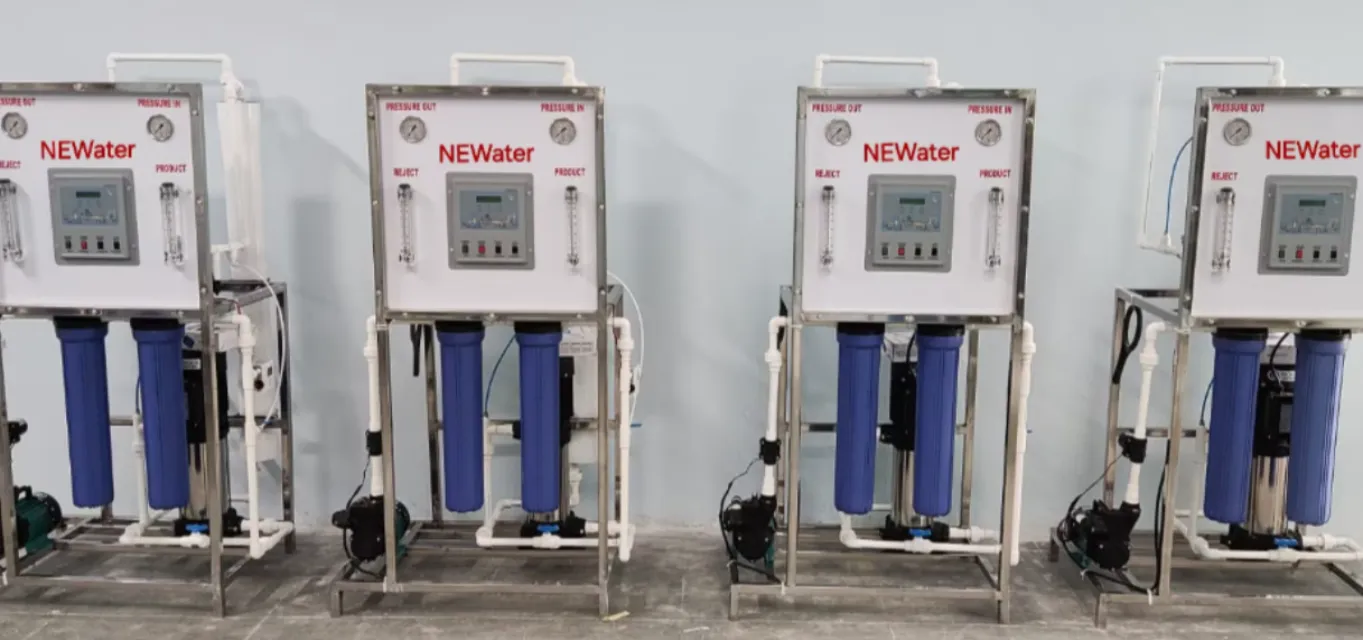
Clean water is essential for maintaining operational efficiency, product quality, and regulatory compliance across industries. Whether it is a manufacturing unit, hospital, hotel, educational institution, or food processing facility, investing in the right water purification plant ensures a reliable supply of treated water for everyday operations. The challenge lies in selecting a system that matches both the water source and the intended application.
Every water purification requirement begins with understanding the quality of the incoming water. Groundwater, municipal supply, surface water, and tanker water each contain different levels of dissolved salts, suspended solids, bacteria, and chemical impurities. A professional water analysis helps determine the treatment process required and prevents unnecessary investment in oversized or unsuitable equipment.
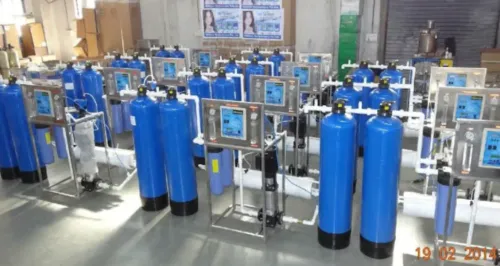
Most modern water purification plants combine multiple treatment technologies to achieve the desired water quality. Depending on the application, a system may include:
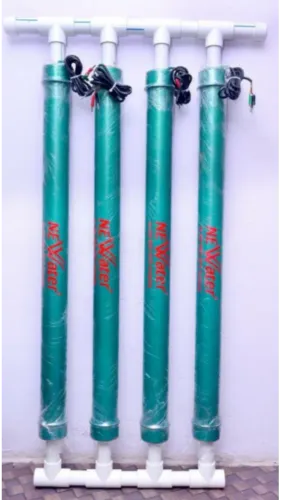
- Sand filtration for suspended particles
- Activated carbon filtration for chlorine and odour removal
- Water softening for hardness reduction
- Reverse osmosis for dissolved solids
- UV or ozone disinfection
- Mineral balancing where required
The combination of these stages depends on the quality of raw water and the intended use of the treated water.
One common mistake businesses make is selecting a plant based only on capacity. While production volume is important, factors such as operating pressure, recovery rate, membrane quality, energy efficiency, and automation significantly influence long-term performance. A properly designed system can reduce water wastage, lower electricity consumption, and minimize maintenance expenses.
Different industries have unique purification requirements. For example:
- Hospitals require highly purified water for medical applications.
- Hotels and restaurants need consistent water quality for kitchens and guest services.
- Manufacturing facilities depend on purified water for production processes.
- Educational institutions require safe drinking water for students and staff.
- Residential developments often install centralized purification systems for common water distribution.
Understanding these specific needs helps ensure the selected plant performs efficiently throughout its service life.
Businesses in Rajkot and across Gujarat frequently deal with hard groundwater and fluctuating water quality during different seasons. A water purification plant designed with regional water characteristics in mind can improve reliability while extending the lifespan of critical components such as membranes and pumps.
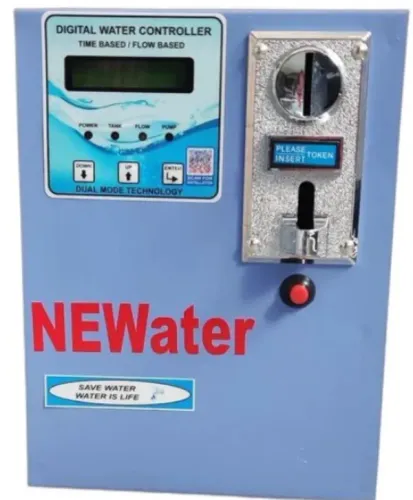
Automation has become a valuable feature in modern treatment systems. Automatic backwashing, digital monitoring, conductivity sensors, pressure indicators, and programmable control panels reduce manual intervention while maintaining consistent water quality. These features also make preventive maintenance easier to manage.
Routine servicing remains essential regardless of plant size. Replacing filters on schedule, inspecting valves, monitoring system pressure, and cleaning membranes help prevent unexpected downtime. Preventive maintenance also protects the overall investment by improving equipment longevity.
When comparing manufacturers, buyers should evaluate more than the equipment itself. Installation support, technical expertise, spare parts availability, and after-sales service all contribute to long-term operational success. Reliable technical assistance becomes particularly important for facilities that depend on uninterrupted water treatment every day.
NEWater Technologies Pvt Ltd designs water purification plants for industrial, commercial, and institutional applications based on specific water quality and capacity requirements. Many businesses exploring solutions through the company review customized treatment configurations that align with their operational goals rather than relying on standard models.
Selecting the right water purification plant is a strategic decision that supports operational continuity, improves water quality, and helps organizations manage resources more efficiently for years to come.
Keywords