Water quality plays a critical role in industrial operations, influencing production efficiency, equipment life, and product consistency. A 10000 LPH FRP RO Plant is often the preferred choice for medium to large-scale industries that require a continuous supply of purified water without excessive maintenance demands. However, selecting the right system involves more than simply matching the required capacity.
Before investing in an RO plant, it is important to understand the quality of the available water source. Borewell water, municipal supply, river water, and tanker water each contain different levels of dissolved salts, suspended particles, and contaminants. Conducting a detailed water analysis helps determine the appropriate membrane configuration, pretreatment process, and operating pressure required for long-term performance.
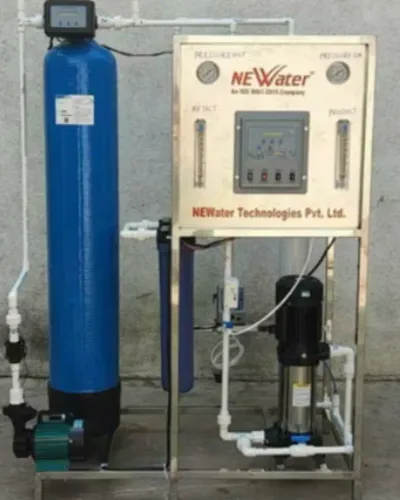
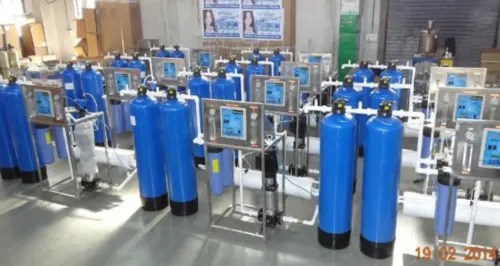
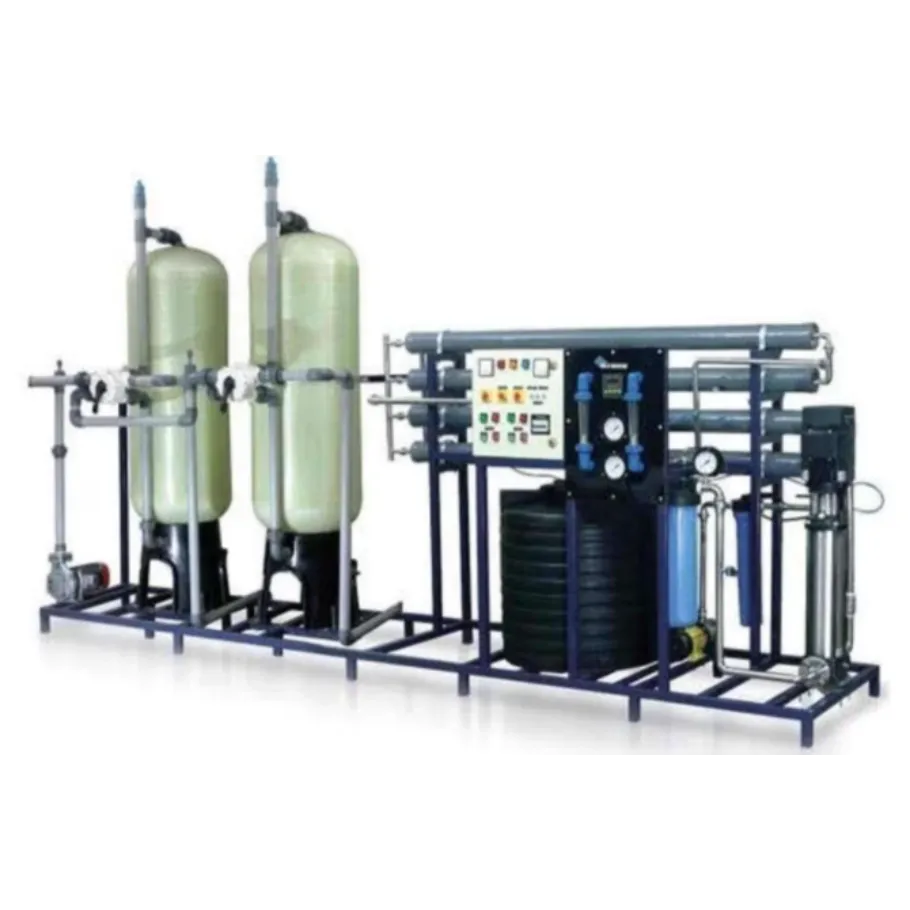
A reliable 10000 LPH FRP RO Plant typically includes several integrated treatment stages, such as:
- Raw water filtration
- Multi-grade sand filtration
- Activated carbon filtration
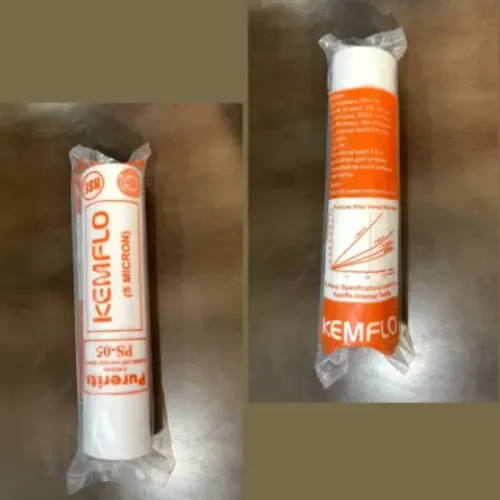
- Micron cartridge filtration
- Reverse osmosis membranes
- Treated water storage and distribution
Each stage contributes to protecting the RO membranes while improving the quality of purified water.
The FRP (Fiber Reinforced Plastic) construction offers significant advantages over traditional materials. FRP vessels resist corrosion, withstand varying environmental conditions, and require minimal maintenance. Industries operating in humid or chemically aggressive environments often prefer FRP systems because of their durability and longer service life.
When evaluating different systems, buyers should also pay attention to operational efficiency. Important factors include:
- Water recovery percentage
- Energy consumption
- Membrane quality
- Automation features
- Ease of maintenance
- Availability of replacement parts
Choosing a system solely based on the lowest purchase price can lead to higher operational costs over time. A well-designed plant with quality components generally delivers lower maintenance expenses and more consistent performance.
Industrial sectors that commonly benefit from a 10000 LPH FRP RO Plant include food processing, pharmaceuticals, textile manufacturing, engineering units, chemical industries, packaging facilities, educational institutions, hospitals, and hospitality businesses. Each industry has unique water quality requirements, making customization an important aspect of plant design.
For businesses in Rajkot and across Gujarat, water hardness and seasonal fluctuations in source water quality are common concerns. Selecting an RO system designed specifically for regional water conditions can improve membrane life and reduce the frequency of servicing. Working with manufacturers familiar with local operating conditions also simplifies installation, commissioning, and after-sales support.
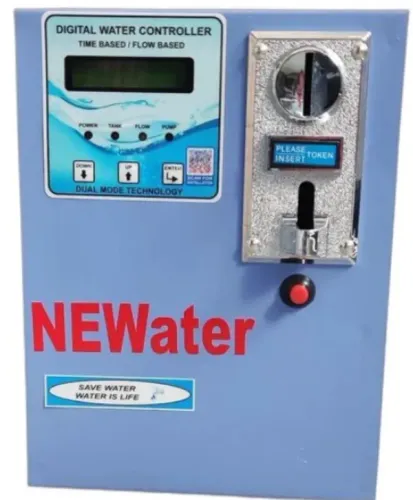
Automation has become another important consideration. Modern RO plants often feature digital control panels, automatic flushing systems, conductivity monitoring, and safety mechanisms that reduce manual intervention. These features help maintain consistent water quality while minimizing downtime.
Maintenance planning should not be overlooked. Routine replacement of filter cartridges, membrane cleaning, periodic inspections, and timely servicing contribute to uninterrupted plant performance. Businesses should also verify the availability of technical support before finalizing their purchase.
NEWater Technologies Pvt Ltd manufactures industrial water treatment systems that are designed according to application-specific requirements rather than a one-size-fits-all approach. Businesses evaluating solutions through the company's website often compare system configurations based on water quality, operational needs, and future expansion plans before making a decision.
Selecting the right 10000 LPH FRP RO Plant is ultimately an investment in operational reliability. A properly engineered system delivers consistent purified water, protects production equipment, lowers maintenance costs, and supports efficient industrial operations for years to come.
Keywords