
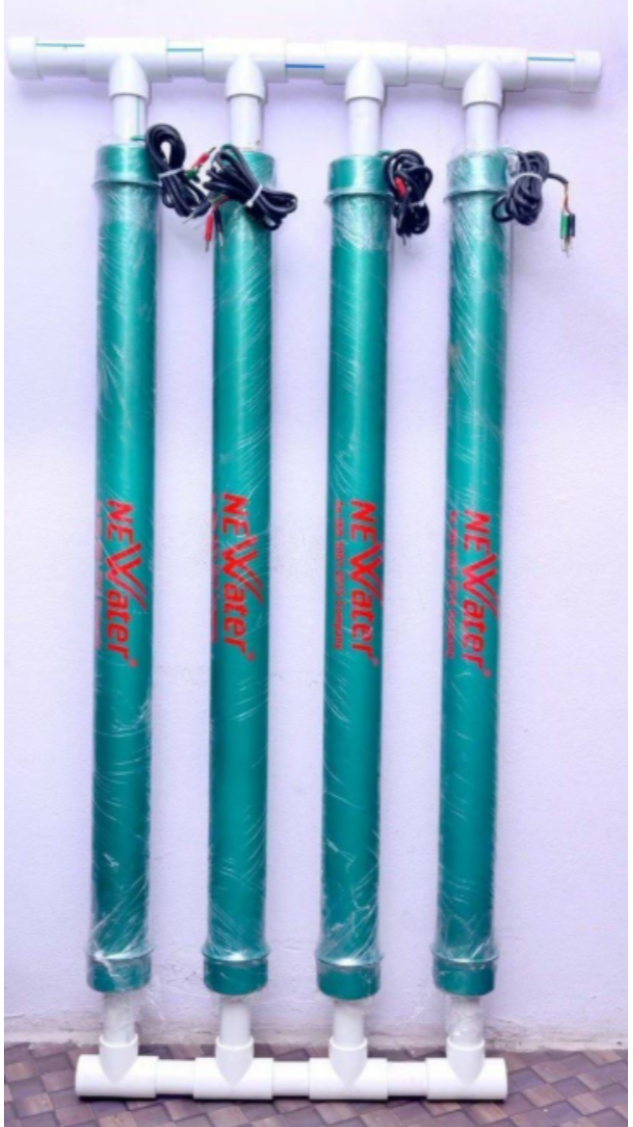
Hard-water deposits can gradually create operational difficulties in pipelines, fixtures, heating equipment, plus water-using appliances. An Impulse Water Conditioner is one technology used in certain applications to support scale-management strategies without relying upon conventional salt-based softening.
Before selecting such equipment, users should understand what problem they are trying to solve plus what performance they expect.
Why Scale Forms
Hard water contains dissolved minerals, particularly calcium plus magnesium compounds.
Under suitable conditions, these minerals can contribute to deposits on surfaces. Scaling can become noticeable around heating elements, pipes, taps, shower fittings, plus equipment exposed to repeated water flow.
Scale can contribute to
- Reduced heat-transfer efficiency
- Deposits on fixtures
- Restricted piping
- Increased cleaning requirements
- Equipment maintenance concerns
Water hardness levels plus operating temperature can influence the severity of the issue.
What Water Conditioning Attempts to Address
Water conditioning technologies are generally intended to influence scale behaviour within a system.
An impulse-based conditioner uses an electronic treatment approach rather than physically removing dissolved hardness minerals through ion exchange.
This distinction is important. Users should not assume that every conditioning technology reduces measured hardness in the same way as a conventional softener.
Identify the Real Objective
Before considering equipment, define the actual problem.
Is the concern visible scale on fixtures? Is it deposit formation inside piping? Is heating equipment experiencing frequent scaling? Is the user expecting lower hardness readings?
These are different expectations.
A useful assessment can include
- Water hardness
- TDS
- Pipe material
- Flow rate
- Pipe diameter
- Water temperature
- Existing scale
- Equipment application
This information helps determine whether a conditioning approach is suitable for the specific installation.
Where Such Technology May Be Considered
Potential applications can include residential properties, commercial buildings, hospitality facilities, institutions, plus selected industrial water circuits.
Suitability depends upon water chemistry plus the operational objective.
A hotel concerned about scaling within hot-water infrastructure may have different requirements from a homeowner dealing with deposits around bathroom fixtures.
Installation Conditions Matter
Conditioning equipment should be selected according to the intended pipe size plus system configuration.
Placement can also influence practical installation. Easy electrical access, suitable pipe location, plus protection from unsuitable environmental conditions should be considered.
Users should follow the equipment manufacturer's installation requirements closely.
Measure Results Practically
Scale management should be evaluated through observable operational indicators.
Depending upon the application, these may include cleaning frequency, deposit formation, equipment inspection findings, plus maintenance patterns.
Expectations should remain realistic. Water chemistry is complex, plus results can depend upon several variables beyond one device.
Compare Total Maintenance Requirements
Conventional softening can involve salt replenishment, regeneration, drainage, plus periodic servicing. Certain electronic conditioning approaches can have different maintenance characteristics.
The best option depends upon the objective, available space, water chemistry, operating cost expectations, plus required water characteristics.
NEWater Technologies Pvt Ltd serves water-treatment equipment requirements from Rajkot, Gujarat. Customers considering an Impulse Water Conditioner can benefit from reviewing hardness levels plus the actual scaling problem before deciding upon technology.
Make Scale Control Application-Specific
There is no universal scale-management solution suitable for every property.
Rajkot homeowners, hotels, commercial facilities, plus industries should first understand their water quality plus where deposits are occurring.
Once the problem is clearly defined, an Impulse Water Conditioner can be evaluated based upon application suitability, installation conditions, maintenance expectations, plus measurable operational outcomes.