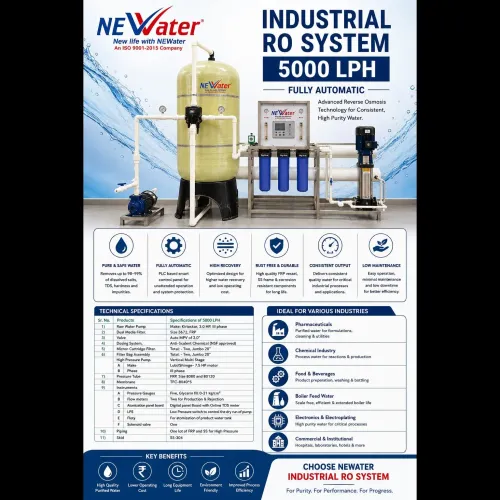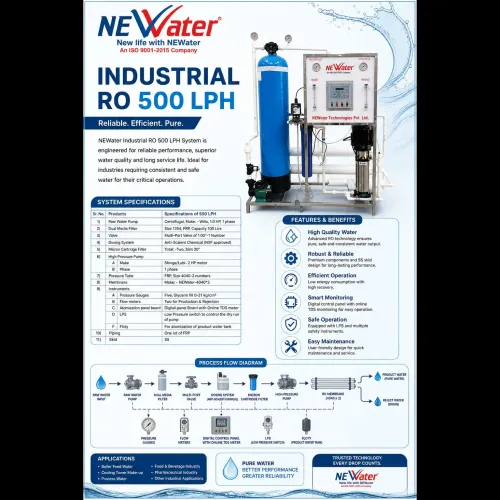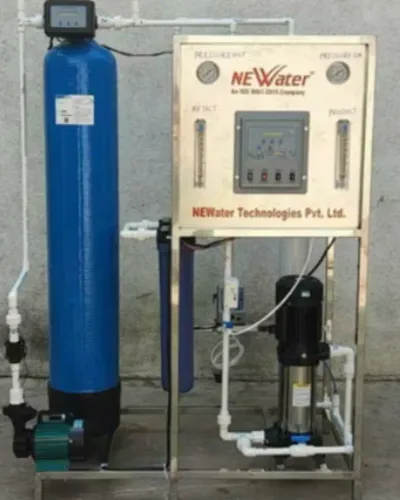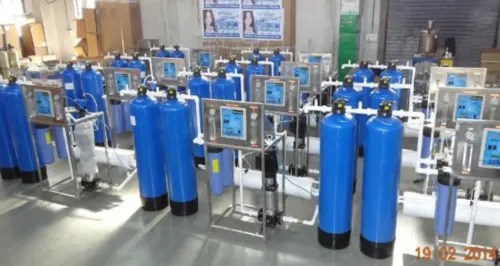
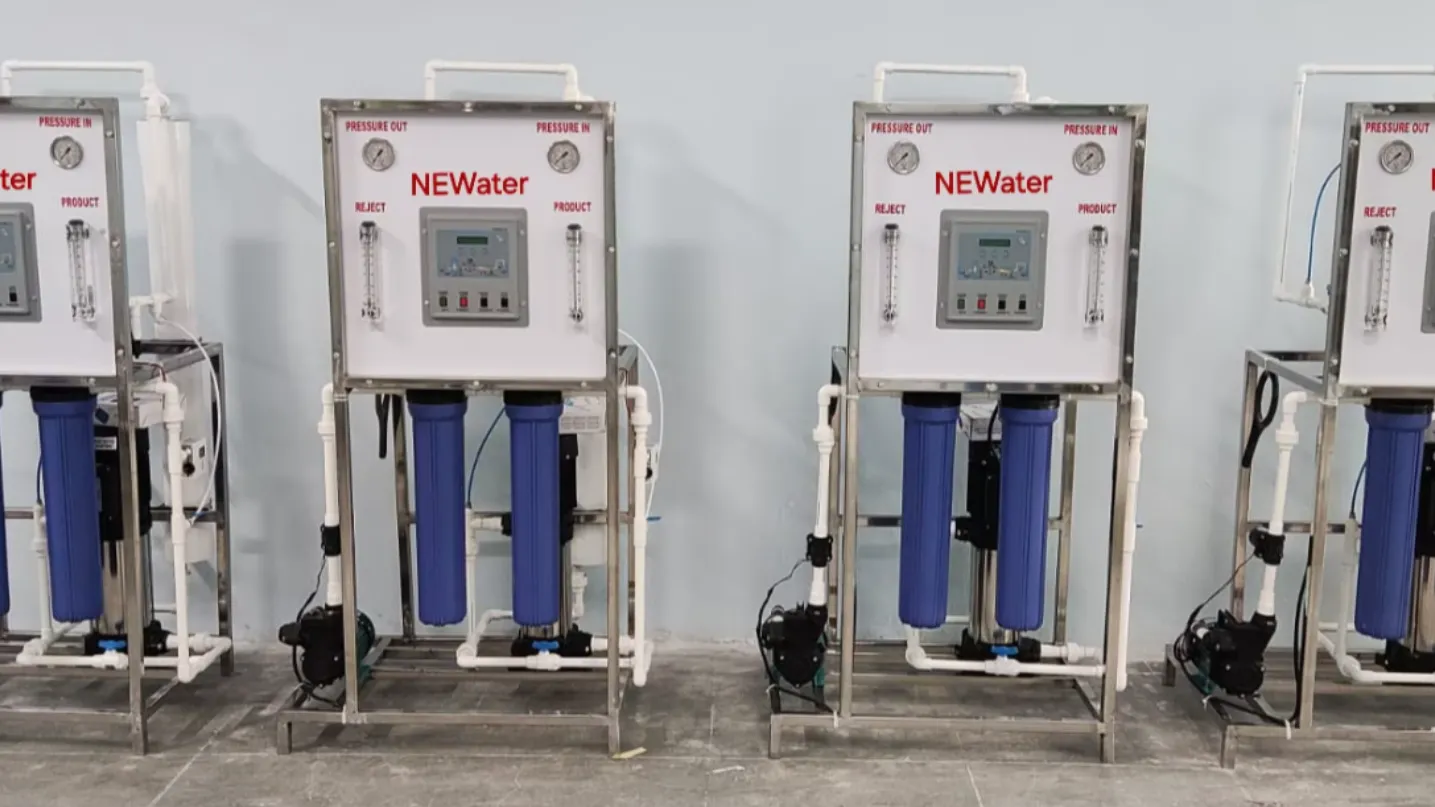
A Water Purification Plant is not simply a collection of filters. It is a coordinated treatment system designed around incoming water quality plus the quality required at the outlet.
Industries, institutions, hospitals, hotels, residential developments, commercial facilities, plus other establishments across Rajkot may require structured water treatment when untreated supply cannot meet their usage requirements.
Effective planning starts with understanding the water rather than choosing equipment immediately.
Identify the Raw Water Source
The source strongly influences treatment design.
Common sources include
- Borewell water
- Municipal supply
- Tanker supply
- Surface water
- Stored water
- Mixed sources
Each source can contain a different combination of suspended solids, dissolved salts, hardness, chlorine, microorganisms, colour, odour, plus other impurities.
Source variation also matters. A plant designed around one water profile may require adjustment if incoming quality changes significantly.
Define the Required Output
Purified water quality should match its intended use.
Water meant for general utility purposes may have different requirements from drinking water, process water, kitchen applications, institutional use, plus selected industrial processes.
Before plant design, users should clearly define
- Intended application
- Required daily volume
- Peak demand
- Desired output quality
- Operating hours
- Storage requirement
This prevents unnecessary treatment stages while reducing the risk of insufficient purification.
Treatment Usually Happens in Stages
Water purification commonly relies upon several sequential processes rather than one component.
Pre-treatment can remove larger particles plus substances that could affect later stages. Fine filtration may then prepare water for membrane-based treatment. Depending upon the application, disinfection plus post-treatment may follow.
Possible stages include sediment filtration, activated carbon treatment, softening, micron filtration, RO treatment, UV treatment, plus mineral management.
The correct sequence depends upon the raw-water analysis.
Capacity Requires More Than a Daily Total
Suppose a facility requires several thousand litres per day. That figure alone does not determine suitable plant capacity.
Operating hours influence required hourly production. Storage capacity also changes how the system should be sized.
A plant running for longer hours can use a different production rate from one expected to meet the same daily requirement within a short operating window.
Space Plus Utility Planning
A purification plant needs adequate physical infrastructure.
Planning may include
- Equipment footprint
- Raw-water tank
- Treated-water tank
- Drainage
- Electrical supply
- Pump arrangement
- Piping
- Service clearance
- Chemical storage where applicable
Good utility planning makes routine inspection plus maintenance easier.
Consider Reject Water Early
RO-based purification creates a concentrate stream containing a higher level of rejected dissolved substances. Reject-water handling should therefore be considered during planning rather than after installation.
Depending upon water characteristics plus local suitability, certain non-critical applications may allow reuse. Any reuse decision should be based upon water quality plus the intended application.
Maintenance Determines Long-Term Performance
Filters eventually become loaded with contaminants. Membranes can foul. Pumps plus instruments need inspection. Tanks also require hygiene management.
A maintenance plan should define routine checks, cleaning intervals, consumable replacement, plus performance monitoring.
NEWater Technologies Pvt Ltd operates from Rajkot in Gujarat's water-treatment equipment market. For customers considering a Water Purification Plant, a requirement-based approach can help align treatment stages with source-water conditions plus intended use.
Plan From Water Data, Not Assumptions
The most effective purification projects begin with basic questions What is present in the raw water? How much treated water is required? What quality is expected? How many hours will the plant operate?
Once these questions are answered, treatment processes can be selected with much greater accuracy.
For businesses plus institutions in Rajkot, careful planning can improve plant usability, maintenance accessibility, operational consistency, plus long-term water management.
Keywords