
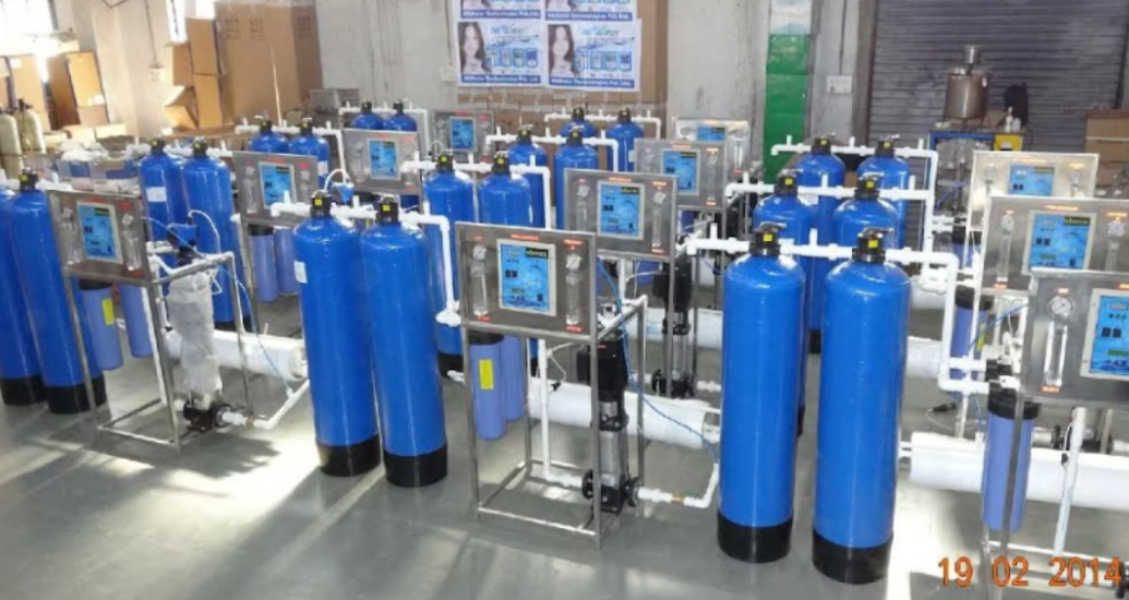
Setting up a Mineral Water Plant requires more than purchasing purification equipment. Raw-water quality, production capacity, hygiene, storage, packaging workflow, utility availability, plus applicable regulatory requirements all influence the final project.
For entrepreneurs plus businesses exploring packaged drinking-water production in Rajkot, Gujarat, early planning can prevent costly layout changes later.
Begin With Source-Water Testing
Water treatment should be designed around the characteristics of the available raw water.
Testing helps identify parameters that can influence purification. Depending upon the source, concerns can include TDS, hardness, turbidity, dissolved minerals, plus microbiological quality.
The treatment sequence should then be selected based upon the test profile plus required finished-water specifications.
Calculate Production Requirements
Plant capacity should reflect expected production volume rather than an arbitrary equipment size.
Important questions include
- Expected litres per hour
- Daily operating hours
- Bottle sizes
- Expected daily production
- Peak seasonal demand
- Storage capacity
- Future expansion plans
A business planning gradual market entry may have different capacity needs from an established distributor supplying a larger network.
Think Beyond the RO Section
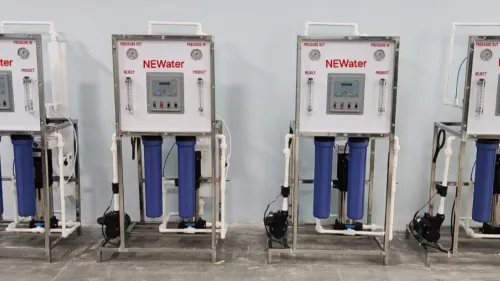
The RO system is an important part of many packaged-water treatment processes, yet the entire facility needs coordinated planning.
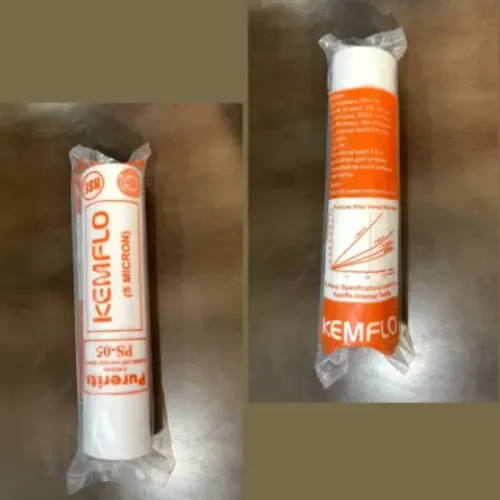
Depending upon project requirements, treatment can involve pre-filtration, carbon filtration, softening, micron filtration, RO treatment, disinfection, plus final treatment stages.
Raw-water tanks, treated-water tanks, pumps, piping, plus instrumentation also need appropriate consideration.
Hygiene Needs to Shape the Layout
A packaged-water facility handles a consumable product. Facility design should therefore support hygienic movement through treatment, storage, container handling, filling, plus finished-product areas.
The layout should reduce unnecessary crossover between less-clean zones plus clean production zones.
Surfaces, drainage, cleaning access, ventilation, plus staff practices can influence hygiene management.
Packaging Capacity Must Match Water Production
Purifying water quickly provides little benefit if the filling plus packaging section becomes a bottleneck.
Production planning should therefore consider
- Rinsing capacity
- Filling speed
- Capping
- Label application
- Batch coding
- Packing
- Finished-product storage
Balanced production flow can reduce idle time across the facility.
Utility Requirements Need Early Planning
Water-treatment equipment may require electricity, drainage, pumps, compressed air in selected processes, plus adequate raw-water supply.
Utility capacity should be assessed before equipment installation.
A poorly planned electrical connection, insufficient drainage, plus inadequate tank capacity can create operational problems after commissioning.
Understand Compliance Requirements
Packaged drinking-water businesses need to identify applicable Indian regulatory requirements, quality standards, testing obligations, licences, plus local approvals relevant to their project.
Requirements can change based upon product classification plus business structure. Entrepreneurs should verify current requirements with appropriate authorities plus qualified compliance professionals before commercial production.
Evaluate Long-Term Operating Requirements
A Mineral Water Plant has recurring costs beyond equipment purchase.
These may include consumables, electricity, filter replacements, membrane maintenance, testing, sanitation, packaging material, labour, plus preventive maintenance.
NEWater Technologies Pvt Ltd, based in Rajkot, operates in the water-treatment equipment segment. Businesses evaluating a Mineral Water Plant can use a requirement-based discussion to understand capacity plus treatment considerations before equipment selection.
Build the Project Around the Production Goal
A well-planned plant connects water treatment with production workflow.
For Rajkot businesses serving Gujarat's growing commercial markets, project planning should cover source water, capacity, hygiene, packaging, utilities, compliance, maintenance, plus expansion.
Treating these factors as one integrated production system can create a more practical foundation for packaged-water operations.