
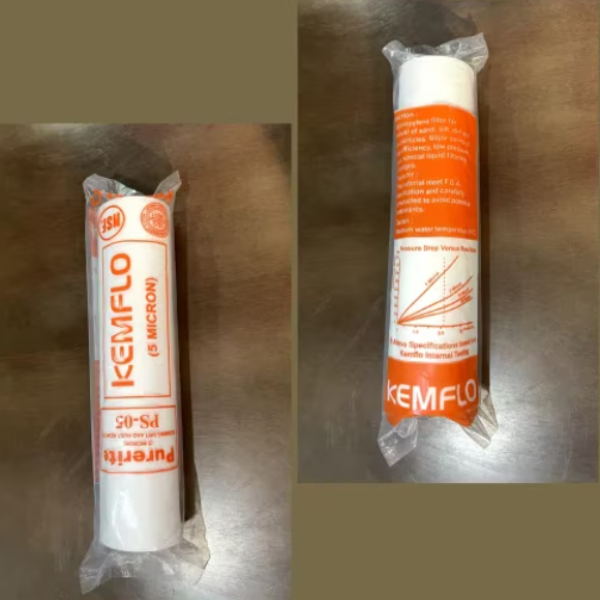
A Spun Filter Cartridge is a simple filtration component with an important responsibility capturing suspended particles before they travel deeper into a water-treatment system.
It is commonly used as a pre-filter in domestic RO systems, commercial purification setups, plus various water-treatment applications. For users dealing with visible sediment, rust particles, sand, plus suspended matter, understanding cartridge filtration can improve maintenance decisions.
What Is a Spun Cartridge?
A spun cartridge is typically manufactured from polypropylene fibres arranged to create depth filtration.
Water passes through the cartridge while suspended particles become trapped within its structure. Depending upon its micron rating, the cartridge can capture particles above a particular approximate size range.
It is primarily designed for particulate filtration. It should not be treated as a complete solution for dissolved salts, microorganisms, plus every chemical contaminant.
Why Pre-Filtration Is Useful
Water entering an RO membrane should ideally contain minimal suspended matter.
If sediment reaches later filtration stages continuously, filters plus membranes can become dirty more quickly. Pressure loss can also increase.
A suitable pre-filter helps by
- Capturing suspended particles
- Reducing visible sediment
- Protecting downstream components
- Supporting cleaner filter housings
- Reducing particulate load on later stages
This makes pre-filtration particularly relevant where borewell tanks, old pipelines, plus storage systems contribute sediment.
Micron Rating Needs Attention
Not every spun cartridge provides identical filtration.
The micron rating indicates the approximate particle size the cartridge is designed to capture. A lower micron rating generally provides finer filtration, yet it can also create greater resistance plus become clogged faster when incoming water contains heavy sediment.
The correct rating should therefore reflect the application plus feed-water conditions.
Signs a Cartridge Needs Inspection
Filter replacement frequency varies.
Heavy sediment can clog a cartridge quickly. Cleaner feed water may allow longer service intervals.
Possible signs include
- Reduced water flow
- Visible discolouration
- Increased pressure drop
- Slower RO production
- Heavy sediment accumulation
Visual appearance can provide useful information, yet system performance should also be considered.
Why Delaying Replacement Can Create Problems
A heavily clogged pre-filter can restrict water entering the rest of the purification system.
Reduced flow can affect overall production. Downstream filters may also receive inconsistent feed conditions.
Routine inspection is usually more practical than waiting until purifier output drops dramatically.
Applications Beyond Household Purifiers
Spun cartridges can be used across numerous filtration setups.
Applications may include
- Domestic RO pre-filtration
- Commercial RO systems
- Water dispensing systems
- Institutional purification
- Selected process-water applications
- Pre-treatment assemblies
Cartridge size, micron rating, flow requirement, plus housing compatibility should match the system.
Consider Local Water Conditions
Rajkot plus surrounding Gujarat regions can have varied source-water conditions depending upon borewell depth, municipal supply, storage infrastructure, plus tanker sourcing.
Where incoming water contains visible suspended matter, an appropriate sediment filtration stage can reduce the burden placed upon downstream treatment.
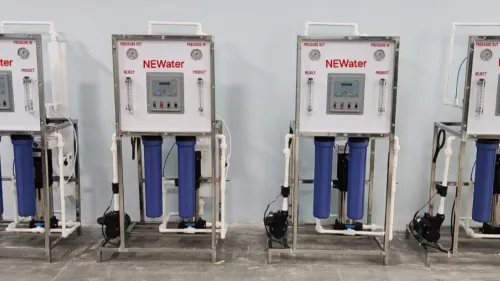
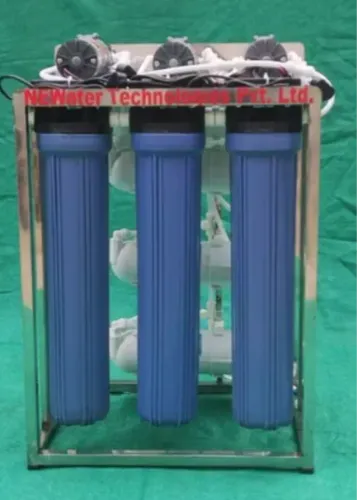
NEWater Technologies Pvt Ltd operates within Rajkot's water-treatment equipment sector. When selecting a Spun Filter Cartridge, customers should focus on micron rating, dimensions, flow requirements, plus compatibility rather than purchasing solely by appearance.
A Small Component With a Clear Purpose
A spun cartridge cannot perform every purification function. Its strength lies in removing particulate matter early in the treatment sequence.
When correctly selected plus replaced at suitable intervals, it supports cleaner downstream operation. That can be valuable in home purifiers, commercial installations, plus larger treatment setups.
Understanding this simple component also helps users recognize a broader principle in water treatment effective purification often depends upon several stages performing specific tasks rather than one filter attempting to handle every contaminant.