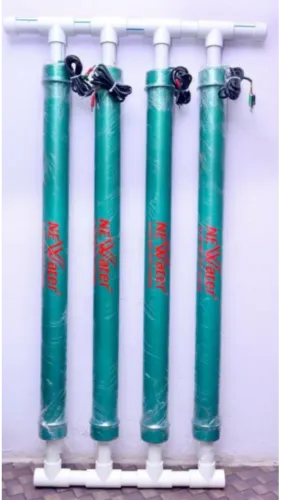
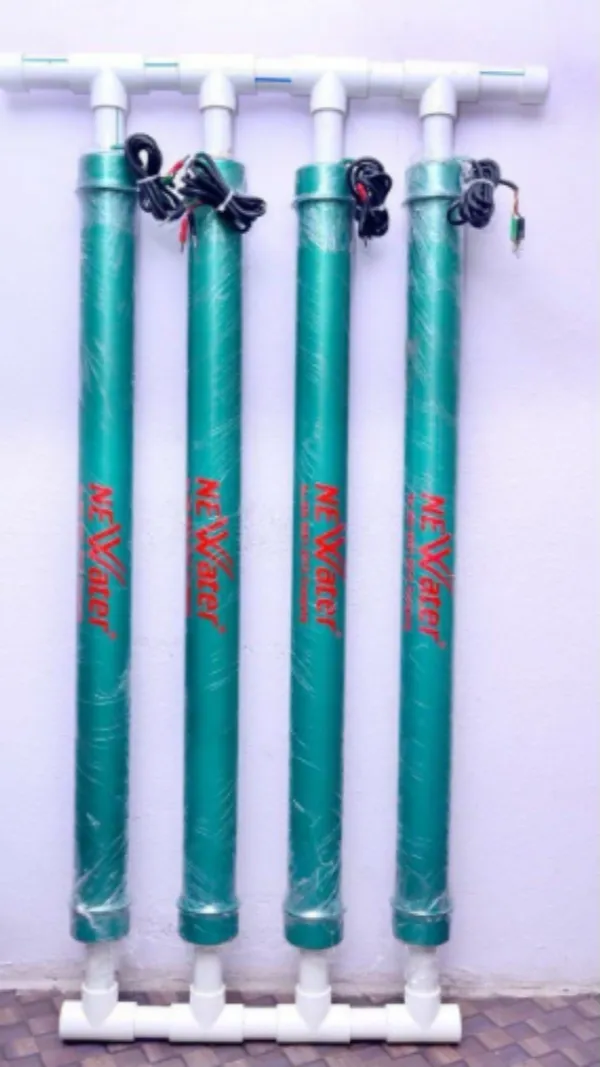
Hard water is a common concern for industries, commercial buildings, hotels, hospitals, and residential complexes. Minerals such as calcium and magnesium can accumulate inside pipelines, boilers, cooling towers, and heat exchangers, reducing efficiency and increasing maintenance costs. An Impulse Water Conditioner offers an alternative approach to scale management by helping minimize mineral deposits without adding chemicals to the water.
Unlike conventional water softeners that remove hardness minerals through ion exchange, an impulse water conditioner changes the behaviour of dissolved minerals as water flows through the system. This process helps reduce the tendency of minerals to form hard scale on internal surfaces while allowing them to remain suspended in the water.
This technology is commonly used in applications such as:
- Commercial buildings
- Hotels and resorts
- Hospitals
- Residential apartment complexes
- Industrial processing units
- Cooling towers
- Boilers
- HVAC systems
These environments often experience continuous water circulation, making scale prevention an important aspect of equipment maintenance.
One of the biggest advantages of an Impulse Water Conditioner is that it typically operates without salt regeneration or chemical dosing. This reduces the need for regular handling of treatment chemicals and lowers maintenance requirements. It can also help conserve water by eliminating the regeneration cycles associated with traditional water softeners.
Businesses evaluating water conditioning technologies should consider several factors before selecting a solution:
- Existing water hardness levels
- Daily water consumption
- Type of equipment being protected
- Pipe material and layout
- Operating temperature
- Maintenance expectations
These considerations help determine whether water conditioning is suitable for the intended application.
In regions such as Rajkot and many parts of Gujarat, groundwater often contains elevated mineral content that contributes to scale formation. Industries relying on boilers, chillers, or process equipment frequently experience reduced efficiency when scaling is left untreated. Selecting an appropriate conditioning solution can improve operational reliability while lowering maintenance frequency.
An impulse water conditioner may provide several operational benefits, including:
- Reduced scale buildup
- Improved heat transfer efficiency
- Lower equipment maintenance
- Better flow through pipelines
- Extended service life of water-based equipment
- Reduced chemical handling
The actual results depend on water quality, operating conditions, and proper installation.
Routine inspection remains important even when using advanced conditioning systems. Monitoring equipment performance, checking pipe conditions, and evaluating water quality periodically helps ensure that the conditioner continues to perform effectively. Preventive maintenance should always complement any water treatment strategy.
When comparing different products, buyers should assess build quality, operating capacity, compatibility with existing systems, and technical support from the manufacturer. Choosing equipment designed specifically for the intended application often produces better long-term results than selecting a generic solution.
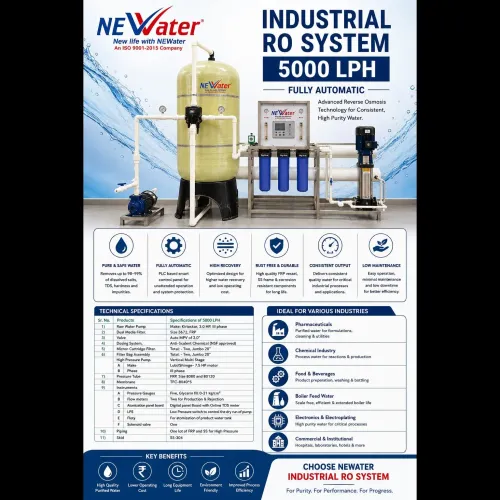
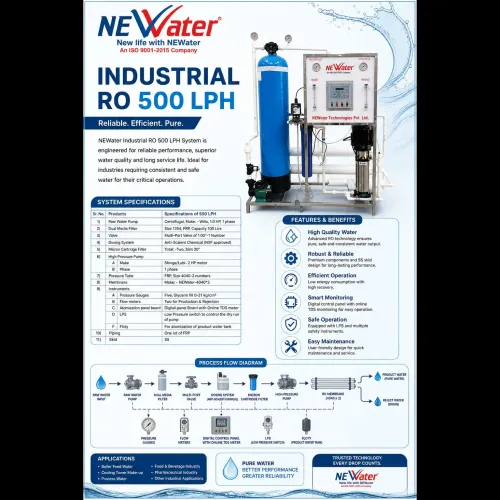
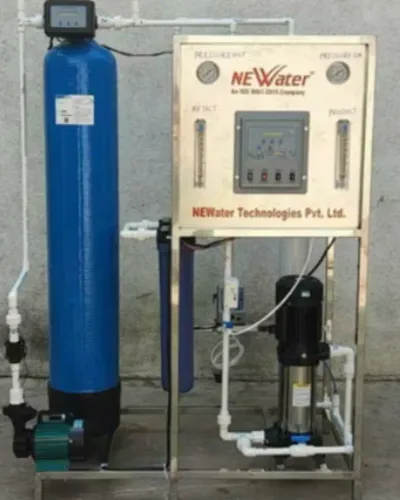
NEWater Technologies Pvt Ltd develops water treatment and conditioning solutions for industrial, commercial, and residential requirements. Organizations exploring the company's systems generally evaluate their water quality, application needs, and operational objectives before selecting an appropriate conditioning technology.
An Impulse Water Conditioner can be a practical solution for facilities seeking to reduce scale-related issues while simplifying maintenance. When selected correctly and integrated into an overall water treatment strategy, it contributes to improved equipment performance and more efficient water management.
Keywords