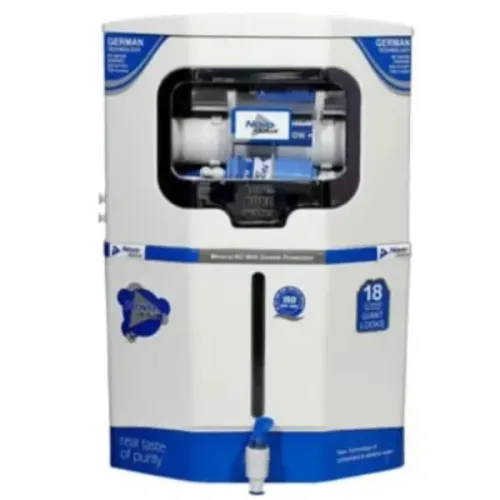
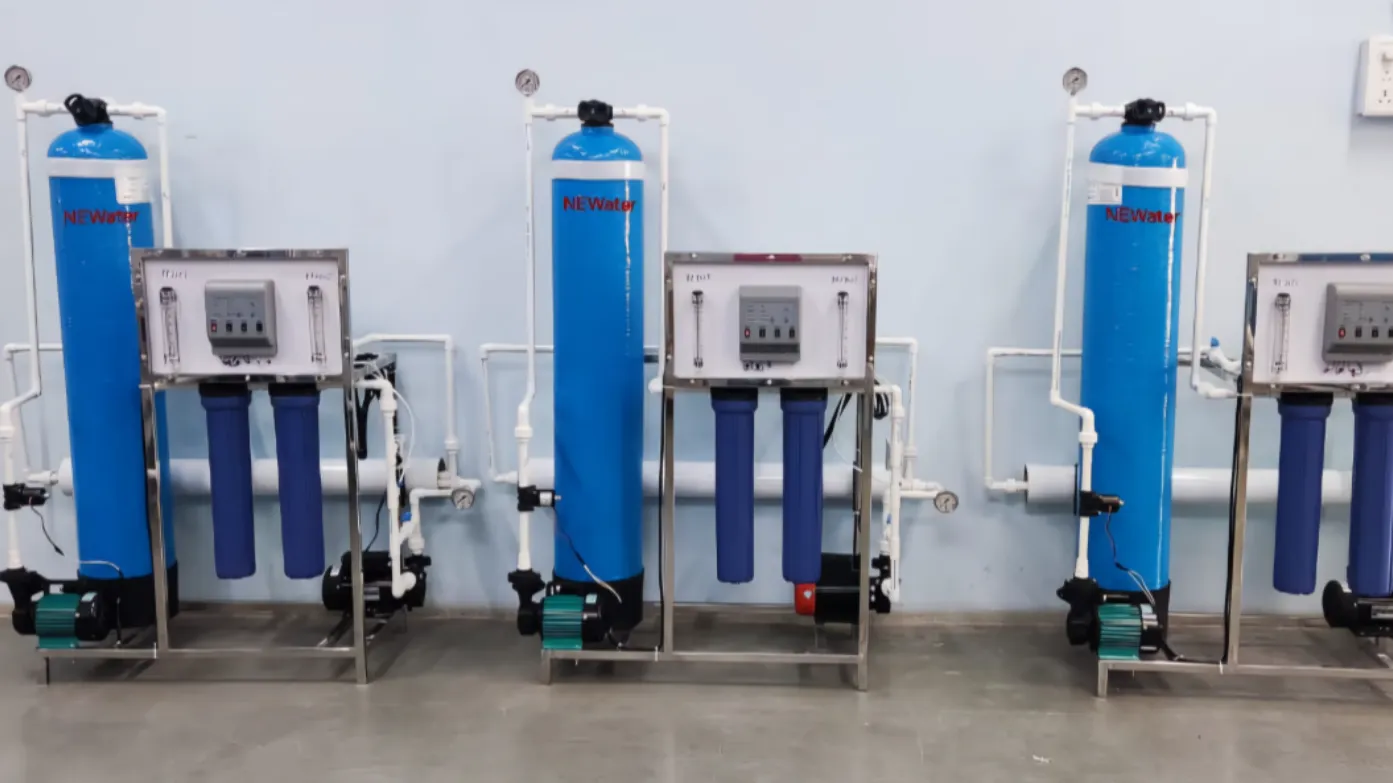
Clean drinking water is a daily necessity, yet water quality can differ significantly across Rajkot. Borewell supply, municipal supply, tanker water, plus mixed sources can contain dissolved salts, sediment, unpleasant taste, hardness, chlorine, plus other impurities. A Domestic RO System offers a practical purification solution when household water requires more than basic filtration.
Reverse osmosis uses a specialized membrane to reduce dissolved impurities from incoming water. A properly selected purifier can improve drinking water quality while giving families a convenient purification source inside the home.
Why Household Water Quality Needs Attention
Water can appear clear while still containing dissolved substances that affect taste, scaling, plus overall usability. High TDS is particularly common in groundwater-dependent locations.
Typical concerns include
- Salty taste
- Visible sediment
- Scaling on utensils
- Unpleasant odour
- Fluctuating TDS
- Hardness-related deposits
- Inconsistent tanker water quality
A Domestic RO System is especially useful when these concerns cannot be addressed through basic sediment filtration alone.
How Domestic RO Purification Works
A typical home RO purifier uses several purification stages. Water first passes through pre-filtration components designed to capture larger suspended particles. Additional filtration stages may reduce chlorine, odour, plus organic contaminants.
The RO membrane performs the main purification function. Pressure pushes water through a fine membrane while many dissolved impurities remain on the reject side.
Depending upon the purifier configuration, further stages may include post-carbon filtration, mineral management, UV treatment, plus final polishing.
The exact configuration should depend upon the incoming water profile rather than a generic assumption.
Check Source Water Before Selecting Capacity
Before choosing a purifier, identify the source used at home.
Rajkot households may receive water through municipal lines, borewells, tankers, storage tanks, plus mixed supply arrangements. Each source can create a different purification requirement.
A basic water assessment can help determine
- TDS level
- Hardness
- Turbidity
- Taste
- Odour
- Daily consumption
- Water pressure
- Source consistency
This information helps prevent both under-selection plus unnecessary over-specification.
Capacity Matters in Daily Use
A small family may have very different consumption patterns compared with a large joint family. Drinking, cooking, guests, summer consumption, plus storage requirements should be considered.
Purification capacity should be sufficient to replenish stored purified water comfortably during normal household use.
Storage tank size also deserves attention. A larger tank can be useful where electricity supply, inlet pressure, plus water availability fluctuate.
Maintenance Is Part of Water Purification
Even a high-quality RO purifier requires periodic maintenance. Sediment filters gradually collect dirt. Carbon filters lose effectiveness over time. RO membrane performance can also decline depending upon feed-water quality.
Maintenance requirements can include
- Pre-filter replacement
- Sediment cartridge replacement
- Carbon filter servicing
- Membrane inspection
- Storage tank cleaning
- Leakage inspection
- TDS performance checking
Replacement intervals should reflect actual water conditions rather than a fixed assumption.
Avoid Choosing Only by Price
A low purchase price can seem attractive, yet purification performance, component quality, spare availability, service support, plus running cost matter over the purifier's full working life.
Homeowners should understand what purification stages are included, which replacement components are required, plus whether suitable spares can be sourced conveniently.
NEWater Technologies Pvt Ltd serves water-treatment requirements from Rajkot, Gujarat, with solutions suited to different purification applications. For residential users, evaluating source-water conditions first can make Domestic RO System selection more practical.
Better Selection Begins With Water Conditions
A home purifier should match the actual problem present in the incoming supply. High TDS needs a different approach from simple sediment contamination. Variable tanker supply can require greater flexibility compared with a consistent municipal source.
For households across Rajkot plus nearby Gujarat markets, the most useful first step is understanding source water, daily consumption, installation space, pressure, plus maintenance expectations.
A carefully selected Domestic RO System can then become a dependable part of everyday household water management rather than simply another kitchen appliance.
Keywords