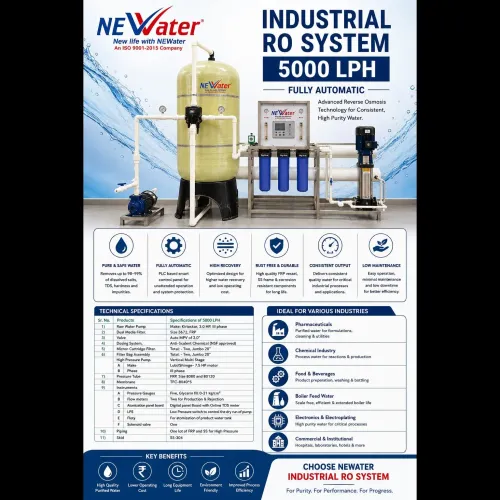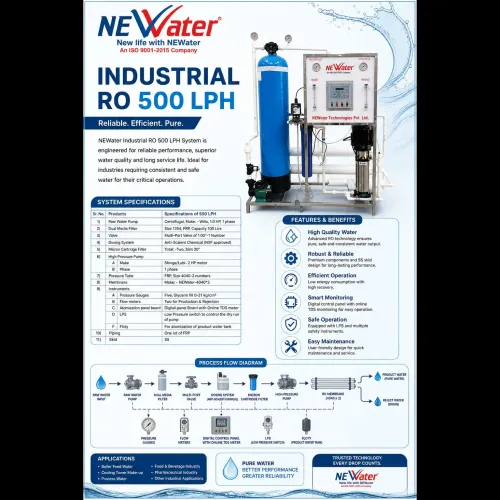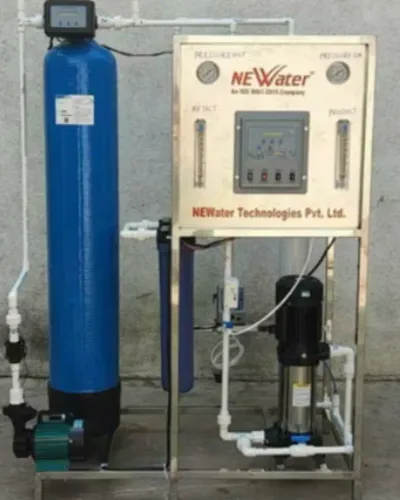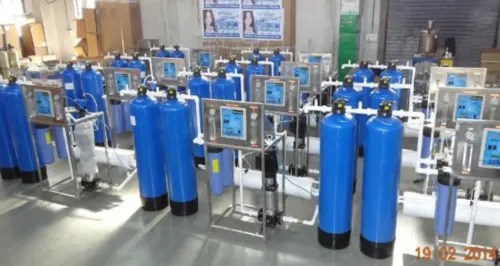
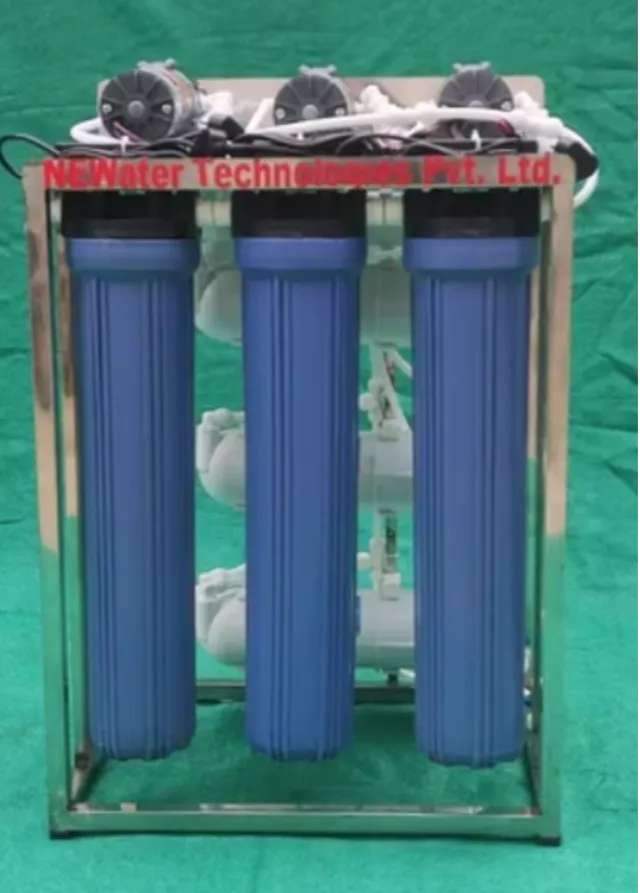
Businesses require a reliable purified-water supply throughout operating hours. A Commercial RO System is designed for applications where domestic purification capacity is insufficient, yet a large industrial installation may be unnecessary.
Restaurants, hotels, offices, schools, hospitals, institutions, canteens, plus commercial facilities in Rajkot frequently require purified water for drinking, kitchens, food preparation, equipment, plus routine operations.
Choosing suitable capacity is essential because an undersized system can struggle during peak demand.
Start With Actual Water Consumption
The first step is estimating how much purified water the facility uses each day.
An office primarily needs drinking water. A restaurant may need purified water for drinking plus selected kitchen activities. A hotel can have substantially higher demand due to guest occupancy, kitchen operations, banquet activity, plus staff consumption.
Useful factors include
- Number of daily users
- Peak-hour demand
- Operating hours
- Kitchen consumption
- Storage requirement
- Seasonal demand
- Future expansion
Capacity planning based only upon average daily use can overlook short periods of intense demand.
Feed Water Influences System Design
Two businesses with similar consumption can require different purification configurations because their source water differs.
Groundwater can contain elevated dissolved salts plus hardness. Municipal water may have different characteristics. Tanker water can vary from one delivery to another.
A feed-water assessment helps determine appropriate pre-treatment, membrane configuration, recovery expectations, plus maintenance planning.
Why Pre-Treatment Deserves Attention
RO membranes perform best when feed water is properly conditioned. Suspended solids, hardness, chlorine, plus other substances can reduce membrane efficiency when they reach the RO stage in unsuitable concentrations.
Depending upon the application, pre-treatment may involve sediment filtration, activated carbon treatment, softening, dosing, plus other conditioning processes.
Proper pre-treatment can support stable performance while reducing avoidable membrane stress.
Storage Capacity Supports Peak Demand
Commercial facilities rarely consume water at a perfectly constant rate.
A restaurant may face heavy demand around meal periods. A school can experience consumption spikes during breaks. A hotel may need additional water during functions.
A suitable purified-water storage arrangement allows the RO unit to produce water steadily while stored capacity handles short-term peaks.
Evaluate Operating Cost
Purchase price represents only one part of commercial RO ownership.
Businesses should also consider
- Electricity consumption
- Cartridge replacement
- Membrane replacement
- Routine servicing
- Consumables
- Reject-water management
- Downtime risk
A system that appears inexpensive initially may become costly if replacement components are difficult to obtain.
Plan Installation Space Properly
Commercial systems require adequate space for equipment, tanks, piping, electrical connections, plus service access.
Placing equipment in an extremely tight area can make maintenance difficult. Adequate ventilation plus drainage should also be considered where applicable.
Installation planning is particularly important in restaurants, hotels, hospitals, plus offices where utility areas may already contain several systems.
Serviceability Matters
Water purification equipment operates continuously in many commercial settings. A maintenance issue can therefore affect daily operations.
Easy access to consumables, replacement parts, technical assistance, plus routine service can reduce operational disruption.
NEWater Technologies Pvt Ltd, based in Rajkot, works within the water-treatment equipment sector, serving varied purification requirements. Commercial buyers can benefit from discussing capacity, feed-water conditions, usage patterns, plus installation requirements before finalizing equipment.
Build Capacity Around Real Operations
A suitable Commercial RO System should support the facility during normal use plus peak demand without unnecessary oversizing.
Businesses across Rajkot, Gujarat, can make a better selection by documenting water source, consumption, operating schedule, storage capacity, available utility space, plus expected future growth.
The result is a purification setup aligned with real operational needs, predictable maintenance, plus consistent purified-water availability.
Keywords