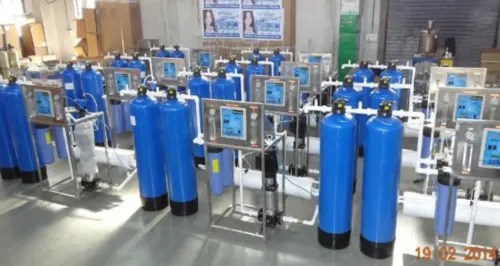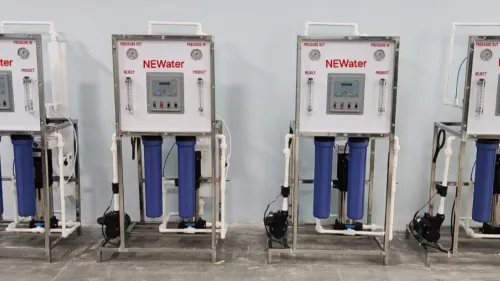

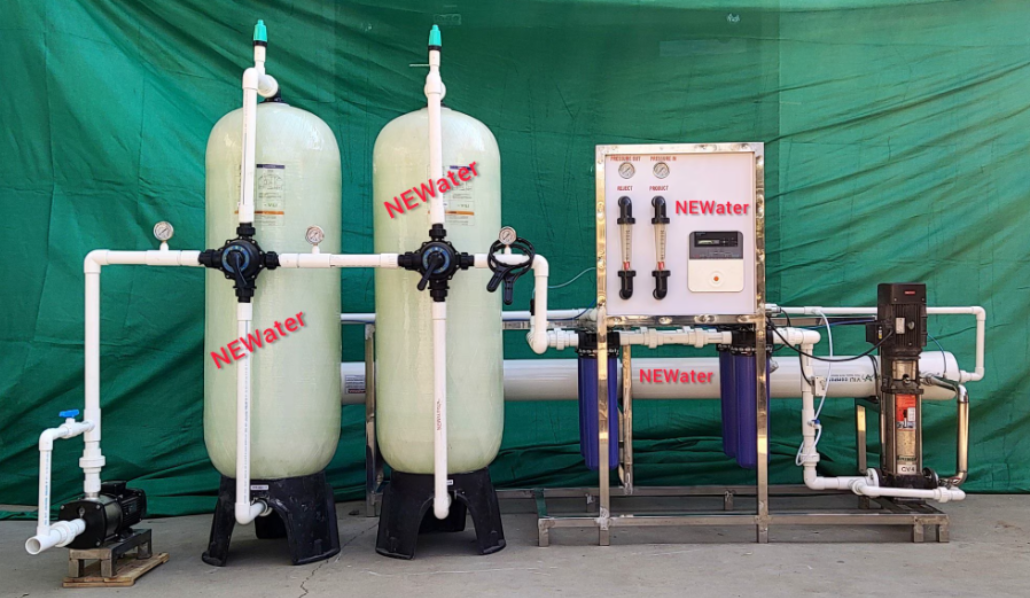
As industries grow, their water requirements often become more demanding. Manual treatment systems that once met production needs may struggle to deliver consistent water quality or sufficient capacity. A Fully Automatic Industrial RO Plant provides continuous purification with minimal operator intervention, making it a practical solution for businesses that depend on reliable water treatment every day.
Automation has become increasingly important in industries where production schedules are tightly controlled. By automatically monitoring pressure, flow, conductivity, and operational parameters, industrial RO plants help maintain consistent performance while reducing the possibility of human error.
Several indicators suggest that an organization may be ready to upgrade to a fully automatic system.
Production is expanding
Growing manufacturing output often increases daily water consumption. If the existing treatment system frequently operates at maximum capacity or cannot keep pace with production demands, an automated RO plant can provide greater reliability and scalability.
Water quality directly affects product quality
Industries such as pharmaceuticals, food processing, engineering, chemicals, textiles, and electronics rely on purified water to maintain product consistency. Variations in water quality can affect manufacturing processes, making automated monitoring an important advantage.
Manual operation consumes valuable time
Operators managing frequent valve adjustments, flushing cycles, and system monitoring may spend considerable time on routine tasks. Automation simplifies these operations by handling many processes automatically, allowing technical staff to focus on production activities.
Maintenance costs continue to increase
Unexpected equipment failures often result from inconsistent operation or delayed maintenance. Fully automatic systems continuously monitor operating conditions and can help identify potential issues before they develop into larger problems, reducing downtime and maintenance expenses.
Regulatory compliance has become more important
Many industries must maintain documented water quality standards. Automated systems provide consistent operating records and easier monitoring, supporting quality management and regulatory requirements.
Businesses evaluating a Fully Automatic Industrial RO Plant should compare several technical features, including:
- Production capacity
- Recovery efficiency
- PLC or digital control systems
- Automatic membrane flushing
- Conductivity monitoring
- High-quality pumps and membranes
- Remote monitoring capabilities
- Energy-efficient operation
Each feature contributes to dependable long-term performance.
Rajkot continues to grow as a manufacturing hub within Gujarat, supporting engineering industries, foundries, fabrication units, food processing businesses, and other industrial sectors. As production facilities expand, dependable water treatment infrastructure becomes increasingly important for maintaining operational efficiency and product quality.
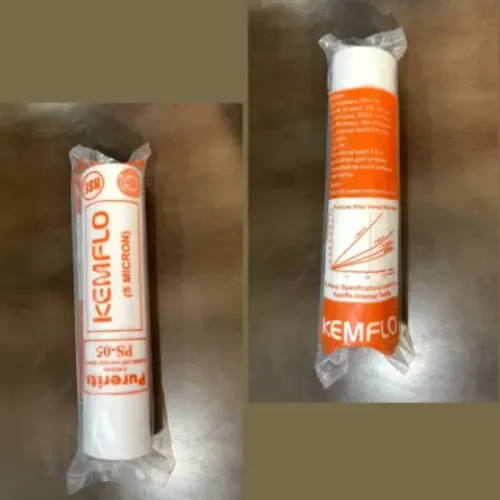
Routine preventive maintenance remains essential even with automated systems. Scheduled membrane cleaning, cartridge replacement, pump inspections, calibration of sensors, and periodic performance testing help maximize equipment life while maintaining purification efficiency.
When selecting an industrial RO plant manufacturer, businesses should assess engineering expertise, customization capability, installation support, operator training, spare parts availability, and after-sales technical service. A comprehensive solution often provides greater long-term value than simply choosing the lowest-cost equipment.
NEWater Technologies Pvt Ltd manufactures fully automatic industrial RO plants designed for a wide range of industrial applications. Companies exploring the firm's solutions typically evaluate water analysis reports, production requirements, and future expansion plans before selecting a system that matches their operational objectives.
A Fully Automatic Industrial RO Plant is not simply an equipment upgrade. It is an investment in operational consistency, improved efficiency, and dependable water quality that supports long-term industrial growth while reducing manual intervention and maintenance challenges.